
The digital casino landscape continues to evolve quickly, with new sites emerging regularly to attract…
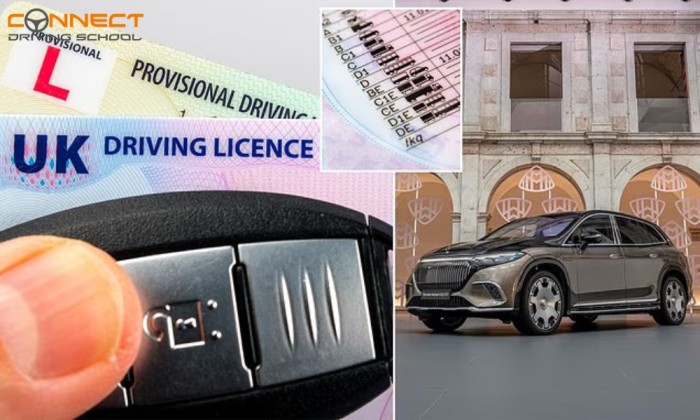
UK Driving Licence Categories Explained in Full
Ask most learners what their licence covers and they will say “cars.” That answer only scratches the surface. The UK splits every vehicle on the road into a driving licence category, each with its own letter, and driving outside that category is a criminal offence, with no exceptions. New drivers, returning drivers and anyone who has lost track over the years all need a working grasp of how this system fits together. Below is the full list of driving licence categories, the vehicles each one covers, and the age a driver needs to reach for each.
What the Category System Actually Covers
The Driver and Vehicle Licensing Agency sorts every vehicle type by weight, engine size, or purpose, then assigns it a letter, sometimes with a number attached. Pass a test for one category, and that entitlement lands on the back of the photocard licence. Many categories unlock automatically once another is passed, so a single test often opens more than one door.
The Full List of UK Driving Licence Categories
Category AM – Mopeds and Light Quadricycles
Category AM covers mopeds capped at 45 kilometres per hour, along with light quadricycles. A rider needs to be 16. This category will not let anyone hop onto a larger motorcycle.
Category A1 – Small Motorcycles
Category A1 covers motorcycles up to 125cc with power capped at 11kW, and riders need to reach 17 first. Medium and large motorcycles sit outside this category entirely.
Category A2 – Medium Motorcycles
Category A2 covers motorcycles up to 35kW, with a minimum age of 19. A rider holds A1 for two years before stepping up, or sits a fresh direct access test instead.
Category A – Unrestricted Motorcycles
Category A drops every power limit and gives full motorcycle entitlement. Direct access opens this at 21, while progressing from A2 opens it at 24.
Category B – Cars and Light Vans
Category B is the one that matters most, since it covers what the vast majority of learners actually want: vehicles up to 3,500 kilograms with no more than eight passenger seats, plus a trailer up to 750 kilograms. The age requirement sits at 17.
One detail inside category B catches people out constantly: the transmission choice during the test follows the driver for good.
| Pass Type | Can Drive Manual? | Can Drive Automatic? |
| Manual test pass | Yes | Yes |
| Automatic test pass | No | Yes |
Anyone unsure which way to go can try both through the driving courses on offer before locking in a transmission type.
Category BE – Cars Towing Trailers
Category BE allows a driver holding category B to tow a trailer over 750 kilograms, but only after passing a separate test for it.
Category C1 – Medium Goods Vehicles
Category C1 covers vehicles between 3,500 and 7,500 kilograms, common among ambulance drivers and light delivery operators, with a minimum age of 18.
Category C – Large Goods Vehicles
Category C is the standard HGV licence for lorries over 3,500 kilograms. Drivers need to be 18, pass a medical exam, and commercial drivers also need a Certificate of Professional Competence.
Category D1 – Minibuses
Category D1 covers minibuses with 9 to 16 passenger seats, with a minimum age of 21. Community transport schemes lean on this category heavily.
Category D – Buses and Coaches
Category D covers buses and coaches with more than eight seats. Most routes set the age at 24, though certain training pathways allow 21.
Manual vs Automatic: How the Entitlement Differs
The table above tells the whole story in two rows, but it is worth spelling out why it matters. A manual pass keeps every door open. An automatic pass closes the manual door for good, unless a driver retests later in a manual car. Anyone torn between the two should book automatic driving lessons and try the experience directly before committing.
How to Check Which Categories You Hold
Flip over any UK photocard licence and the current entitlements sit right there, along with issue and expiry dates for each. The DVLA online service also shows this using a licence number and National Insurance number.
The Consequences of Driving Outside Your Category
Driving outside a current category is not a minor slip in the eyes of UK law. It can mean a fine, penalty points, and in some cases, prosecution. Insurance cover disappears the moment a driver lacks the right entitlement, leaving that driver personally on the hook for any damage or injury that follows.
Getting to grips with UK driving licence categories removes any guesswork about what a driver can legally get behind. Starting with category B and building outward from there creates a complete, lawful driving record over time.
Comments (0)